





Why UX/UI is the Real Engine of a Great Ownership Experience
By Cassie Ulvick, Senior UX/UI Designer at Registria
OUR SOLUTIONS
OUR TECHNOLOGY
3 min read
Kristen Conde : May 20, 2026 12:00:00 PM
Not far from where I live in Colorado, there’s a warehouse in Longmont where people gather every month to save the broken items they refuse to abandon: a jammed zipper, a blender, a shop vac that quit mid-job. Whenever a volunteer restorer breathes life back into a product, they clang a cowbell and the room erupts in applause. These Repair Cafés represent more than a local hobby; they signal a change in consumer psychology. People no longer accept the disposable model of ownership.
Grassroots momentum has now reached the halls of power. The European Parliament recently adopted rules that explicitly support these community-led spaces, signaling to brands that these cafés are a bellwether for global regulation. When consumers seek third-party fixes because a brands information is hard to find, that manufacturer loses the post-purchase relationship and surrenders an emerging secondary market.
As a product manager, I don't see Right to Repair as a defensive legal hurdle, I see it as a untapped opportunity to win long-term customer loyalty. When you embrace this trend, you build a reputation for being responsible, responsive and helpful. Those are the exact qualities that turn a one-time buyer into a lifelong advocate.
At its core, Right to Repair is a set of laws requiring manufacturers to provide the same toolkit once reserved for authorized dealers: spare parts, specialized tools, diagnostic software and repair documentation. Enforcement is accelerating. By mid-2026, over 35% of Americans will live under enforceable repair protections. Across the pond, the EU’s Right to Repair Directive kicks in for all 27 member countries this July, which requires manufacturers to repair household products like washing machines and smartphones even after the legal warranty expires. European regulators have also prohibited software or hardware tricks that block independent repair, effectively ending the era of forced obsolescence.
Legislation is finally catching up to an environmental breaking point. E-waste emissions rose 53% between 2014 and 2020, equivalent to adding 129 million gas-powered cars to the road in a single year. Because of this impact, consumers no longer view repairability as a green bonus; they see it as a baseline requirement for any brand claiming to be sustainable.
Most brands meet the letter of the law by burying static PDF repair manuals or contact information for repair support on obscure pages. While this technically checks a box, hiding resources is a strategic mistake that creates massive friction. When a customer cannot easily find what they need, they do not just give up on the repair; they give up on the product and brand.

The root of this fragmented experience is a lack of owner data - a context gap that occurs when repair resources exist in a vacuum, disconnected from the individual and their product. Without knowing exactly what a customer owns, a brand can only offer generic, reactive help. Forcing customers to navigate a treasure hunt for guides effectively drives them into the arms of third-party fixers. By the time the cowbell rings in a Colorado warehouse, the brand has already lost the diagnostic data, the parts revenue and the chance to be the hero of the ownership story.

I look at Right to Repair as a strategic growth opportunity; research from Kearney shows that well-executed repair programs unlock significant revenue through parts and accessories while cementing brand loyalty. Extending a product’s life does not end the customer journey; it deepens it.
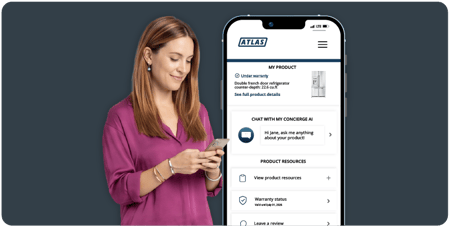
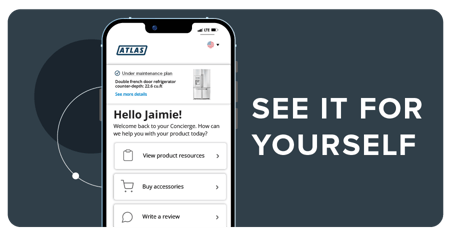
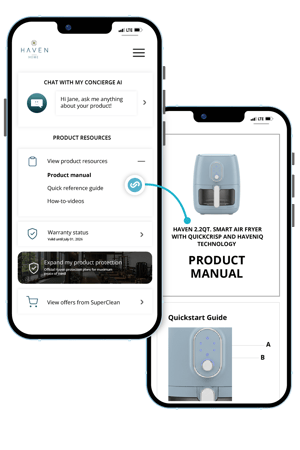
When my team designed Concierge at Registria, we built it to bridge the gap by linking registered products to the specific repair guides and technical manuals that match the owner's unit. Instead of forcing customers to guess which version of a manual or part they need, Concierge identifies the correct information and presents it instantly. And through the Concierge Care Experience, we help you enhance ownership by offering branded protection plans, ensuring that when a customer needs help, they stay within your ecosystem.
Legislation is changing what needs to happen in the post-purchase phase. But consumer expectations are moving much faster than the law. Brands that embrace repair as a meaningful part of the ownership experience build the trust and engagement that anchor long-term customer loyalty.
At Registria, we focus on the entire post-purchase experience because we know it is the ultimate path to building that lifelong bond. When we make life easier for customers after the sale, we fuel the repeat purchases and word-of-mouth advocacy that drive sustainable growth. Those that remain in a defensive crouch will spend the coming years playing catch-up in a market that has already moved on.
By Cassie Ulvick, Senior UX/UI Designer at Registria
Futureproof your brand app so it keeps earning attention When was the last time you actually useda brand app? Maybe it came with your new coffee...
A lot of us have been there - the post-purchase scavenger hunt. We dig through cluttered inboxes, rifle through kitchen drawers for paper manuals and...