





2 min read
Longevity is a Real Growth Strategy, not just an Earth Month Trend
Registria : Apr 8, 2026 9:30:00 AM
We’ve all had that moment of buyer remorse when a gadget or piece of gear gives out just weeks after the warranty expires.
Your customers are tired of it, too. Between tighter budgets and greater awareness toward throwaway culture, people are becoming much more selective about the longevity of their products. Durable goods are perceived more as investments by today’s buyers, and circular economy advocates back that up. When you extend a product lifespan, you reduce waste and strengthen the bond between your brand and buyer. However, the real opportunity goes deeper than the product itself; it’s in the ownership experience.
Culture of Convenience vs. Stretching the Dollar Through Longevity
We’re in a weird contradiction; people want everything delivered yesterday with zero friction. But shoppers also need what they buy to last, because budgets are tight. Deloitte’s 2026 Consumer Products Outlook found that our perception of value took a hit during the inflation spikes and hasn’t recovered.
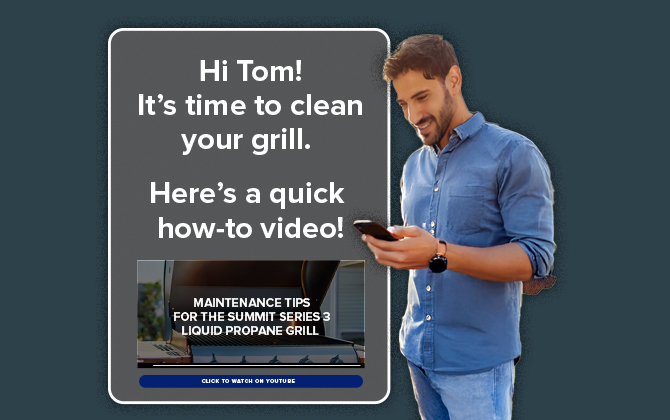
Furthermore, about 72% of global consumers say they’d pay more for sustainable products. The intent is there. But convenience can’t suffer. And this is where most brands miss the mark, they’re not doing enough after the transaction is complete, like leaving customers to fumble with complex setups or buried support pages. The brands that deliver convenience and longevity, by making it easy to troubleshoot and maintain products, are winning. Which is exactly where a unified post-purchase experience becomes essential.

Value-Driven Product Strategy: Longevity as a Business Advantage
So how does a brand get this right? A real value-driven product strategy reaches the point of sale. When a brand focuses on durability, they build a more efficient business model. Durable portfolios naturally outperform because they require less intensive support and stay in the customer’s hands longer. Plus, they build trust that keeps people engaged with your brand.
As such, efficiency is also where sustainability becomes a common-sense business. A move away from bulky, printed manuals in favor of dynamic digital resources saves on overhead and gives the customer the right guidance at their fingertips. A go green, save green approach shows a genuine environmental commitment and simultaneously strips away the friction during ownership.
When the experience feels this effortless, customers take better care of what they bought, returns drop and a single purchase evolves into a lifelong relationship.
Experience Infrastructure and the ROI of Supporting Product Longevity
But those results don’t happen on their own. The customer’s perception of value starts when they open the box. If a user feels abandoned or confused, the product ends up not used to its full potential, taking the brand’s reputation with it. Building a solid infrastructure for ownership experience is a practical way to realize the ROI of aligning brand investments with consumer-perceived value.

If you hand people simple, centralized access to the resources they need, you give them the confidence to use and maintain what they bought. And confidence is exactly what keeps products in homes longer. Preventing the frustrated support calls that drain your team’s time.
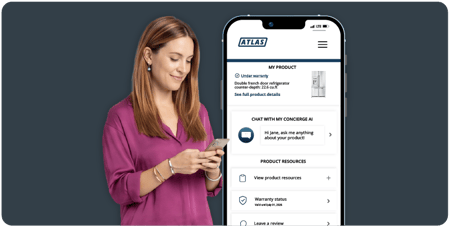
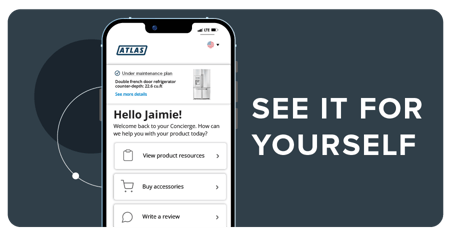
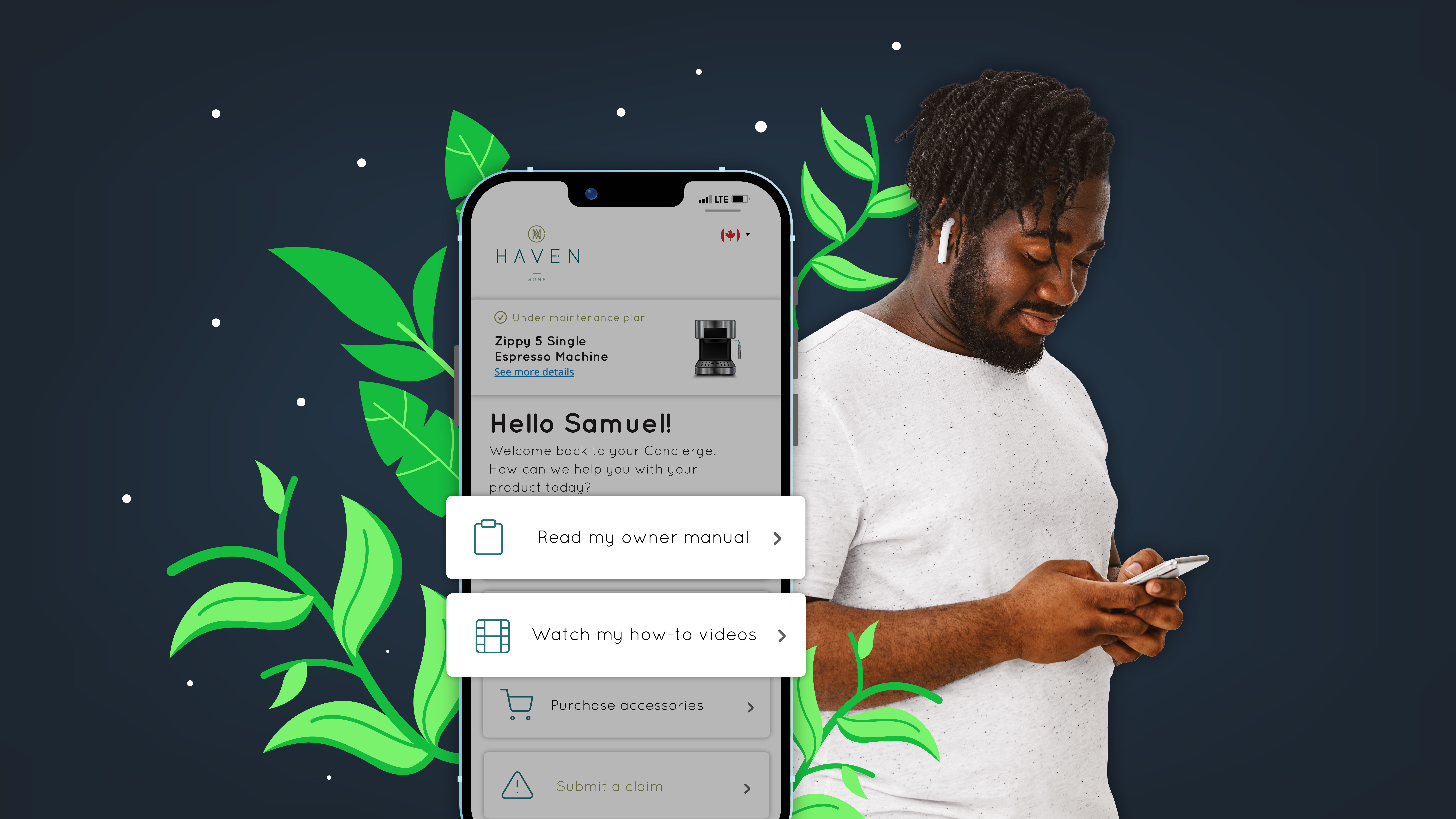
Moving toward a unified post-purchase experience is the natural next step for brands responding to modern consumer behavior. A centralized hub, like what Concierge provides, brings registration, onboarding and help content together in one place to strip away the friction that leads to returns or bad reviews. It’s the natural evolution to keep pace with modern customers because it ensures that owning the product is just as simple as buying it in the first place.
A Better Ownership Experience Creates Longer-Lasting Products
Longevity shouldn't be a seasonal talking point or a PR stunt for April; it’s a measurable business strategy. The brands that consistently show up for their customers after the sale are the ones that will still be around a decade from now.