




Skip to the main content.

3 min read

Post-purchase is your new growth engine – A Word from the CRO

Post-purchase is your new growth engine – A Word from the CRO
Post-purchase is your new growth engine – A Word from the CRO
4:58

By Matt Parsons, Chief Revenue Officer at Registria 

What product brand teams need to get right in 2026 

Like it or not, the post-purchase is where your next sale gets decided. Every week I talk to product brands that want to grow revenue. I’ve noticed the same pattern forming. Their post-purchase experience is either driving repeat sales or leaking them. 

Once a product leaves the shelf, the way you help owners get more value from what they bought has more impact on lifetime value than another campaign. Customers just want the right information, at the right moment, without any friction. 

When that doesn’t happen, they feel itMcKinsey notes that 76% of people feel frustrated when personalization is missing, and owners move on fast if information is hard to find or support feels like work. That raises the stakes because they measure you against the best experiences they’ve had anywhere, not just against your competitors. 

If you want to make leaps in 2026, you need to really focus on how ownership works after the sale. In this blog I’ll share the product ownership experience trends I’m watching and where to focus first. 

More customers will want to connect if you give them something meaningful in return 

Next year, I expect more owners to connect with brands after the sale, but only when it feels like an upgrade, not more admin. 

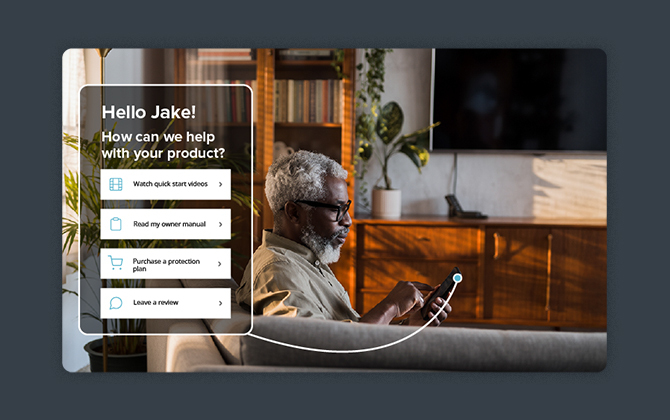
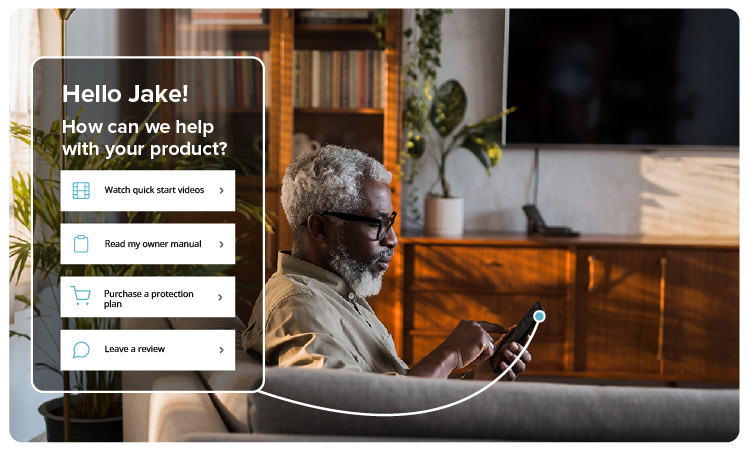
Think about that first digital “hello” after someone buys. If a quick QR scan gets them instant recognition of their product, answers in one place and the sense that they’ll get VIP-level help when they need it, they lean in. If it leads to lengthy forms and another password to remember, they bail. 

20251217-BLOG-InlineContent-MattBlog-CliftonTV 

That’s why easy access has to sit at the heart of the future post-purchase experience. When an owner can identify their product in seconds and immediately see value (faster fixes, saved products, tailored tips, relevant offers) registration, onboarding completion and warranty activation all go up. Our customer success managers see that every day with brands that treat the first moment as a promise to make life easier, rather than a data grab. 

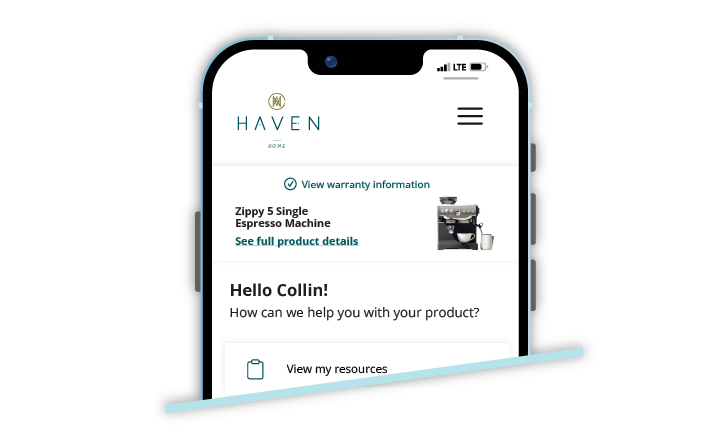
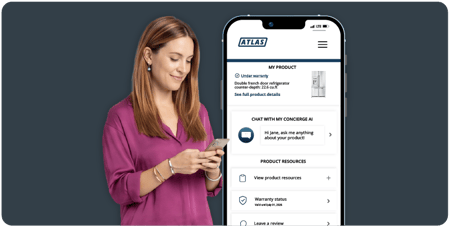
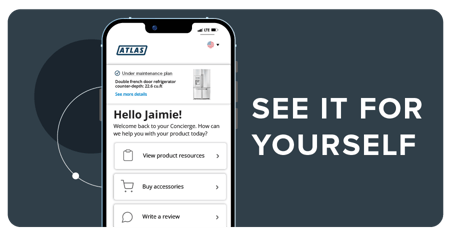
Concierge is built for this. An owner scans a QR code or uses image recognition, Concierge recognizes the product and verifies ownership, then takes them into the right journey so they can reach support, product information and relevant offers with a tap. 


Personalization moves beyond buzz word and to more sales 

Once access is easy, personalization is what keeps people around. 

In conversations with clients and prospects, they tell me that they know generic emails and static “owner hubs” aren’t moving the needle. What they want is simple: give each owner the right nudge, at the right time, based on how they actually use the product. 

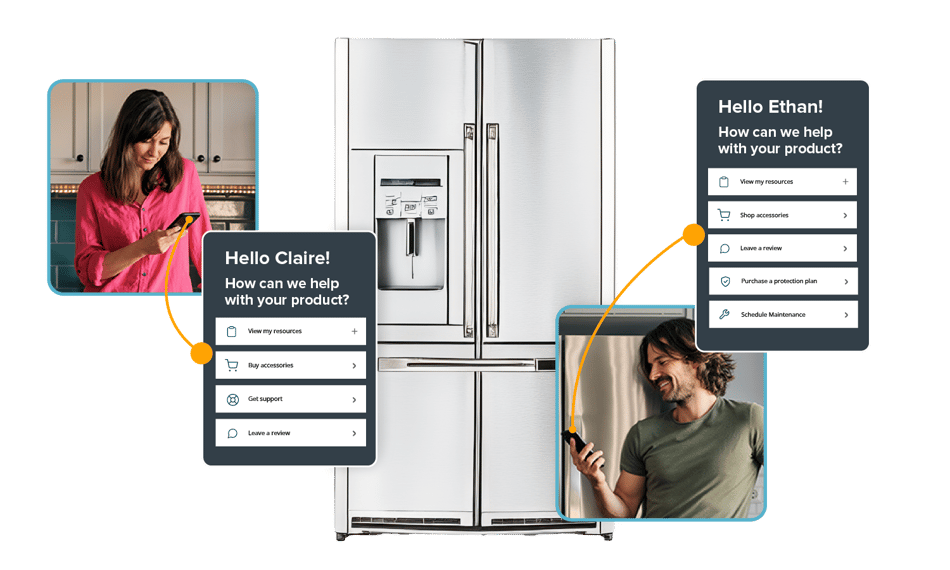
That might look like maintenance tips for their model, a short how-to video or an offer for accessories that fit their setup. If everything feels generic, they drop off. 

This is exactly why we built out the Registria platform to be a contextual experience powerhouse. In the OXM Platform, you can tailor resources, service options and recommendations to each owner, then adjust those journeys as new data comes in. You move from one-size-fits-all nurture to ownership experiences that feel personal. 

20251217-BLOG-InlineContent-MattBlog-SameProductDifferentOwners

Holistic, proactive customer care becomes the brand differentiator 

Lastly, customer care and support are moving from reacting to issues to staying ahead of them. Gartner flags proactive service as a key trend, and for product brands it shows up at every stage of the lifecycle. 

Instead of waiting for a failure, you can send safety alerts before a known issue, nudge owners on maintenance based on age or usage and offer training before features turn into support calls. You go from fixing problems to preventing them and adding value. Go even further and include extended protection direct from your brand, where you can offer unique coverage benefits and solve customers’ needs (vs. the retailer or mass underwriter) should a problem arise and you can stack up even greater customer loyalty,  

To do that well, you need clean owner data and a way to act on it. Registria’s data intelligence capabilities help teams turn ownership data into targeted messaging, accessory offers and care programs without building a custom stack from scratch. 


What this means for 2026 and beyond 

If you lean into these ownership trends in 2026, you’ll see it in the numbers first. You’ll know who owns your products, how they use them and which moments trigger action. That makes it much easier to grow CLV, lift conversion on accessories and warranties, and even influence the timing of upgrades, all while support volume reduces. 

Most important, the experience after the sale finally matches the return that went into designing and selling the product in the first place. 

The Risk of Doing Nothing – A Word from the CEO

The Risk of Doing Nothing – A Word from the CEO

Why the post-purchase experience decides who wins next The funny thing about business is that when the world feels uncertain, people tend to hit...
Read More
The Importance of First Party Data From Product Registrations

The Importance of First Party Data From Product Registrations

If you wanted to know what it’s like to downhill ski or scuba dive, you could watch a film, read a book, or ask a friend. However, it’s unlikely that...

Read More